When applicants hear the term “background check,” many immediately wonder whether their credit report will be included.
The answer depends on the type of screening being ordered and the position involved.
In many cases, a standard employment background check does not include a credit report. However, some employers may request credit history information for certain positions involving financial responsibility, access to sensitive information, or fiduciary duties.
Are Credit Reports Automatically Included in Background Checks?
No. Credit reports are not automatically included in most employment background checks.
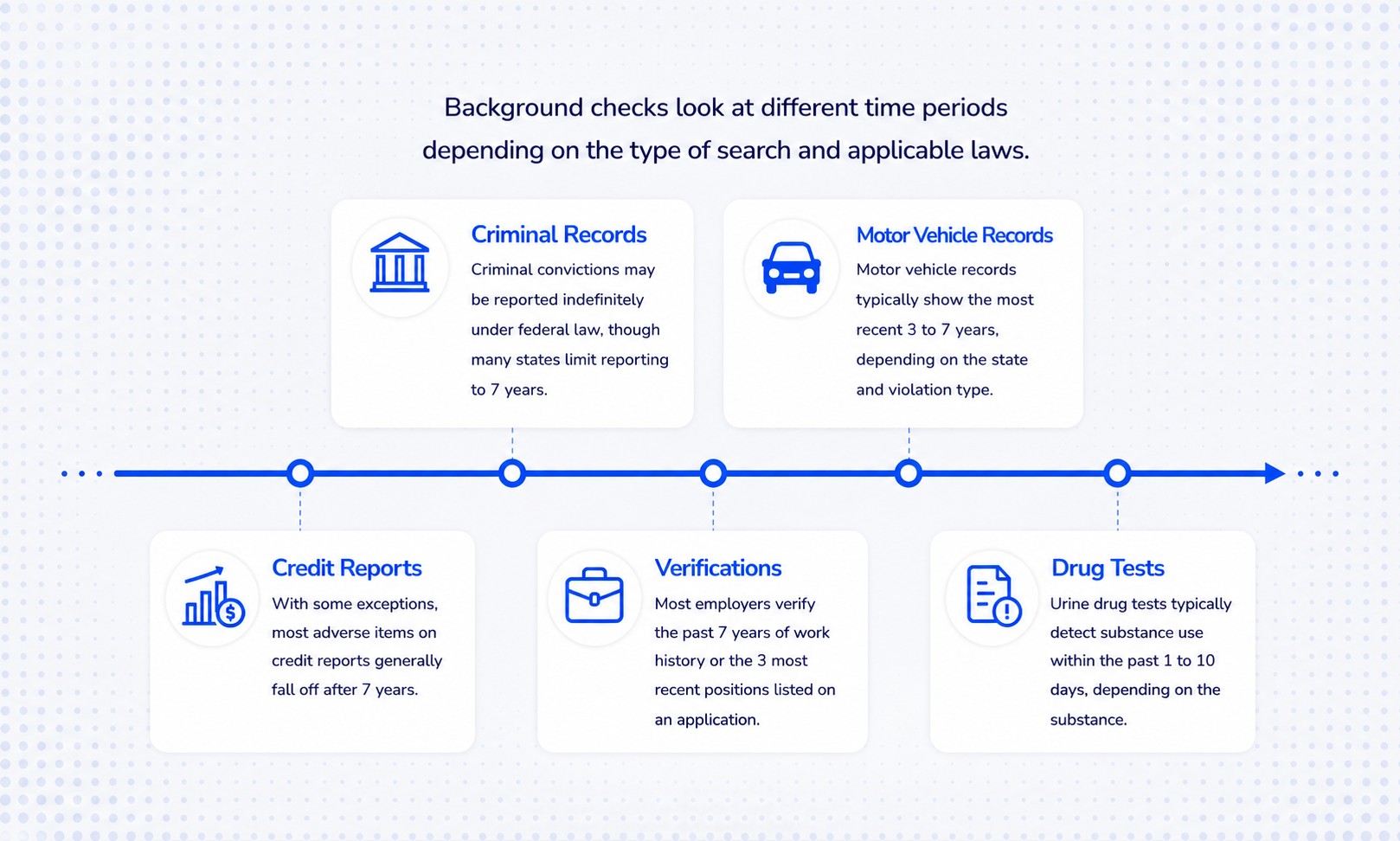
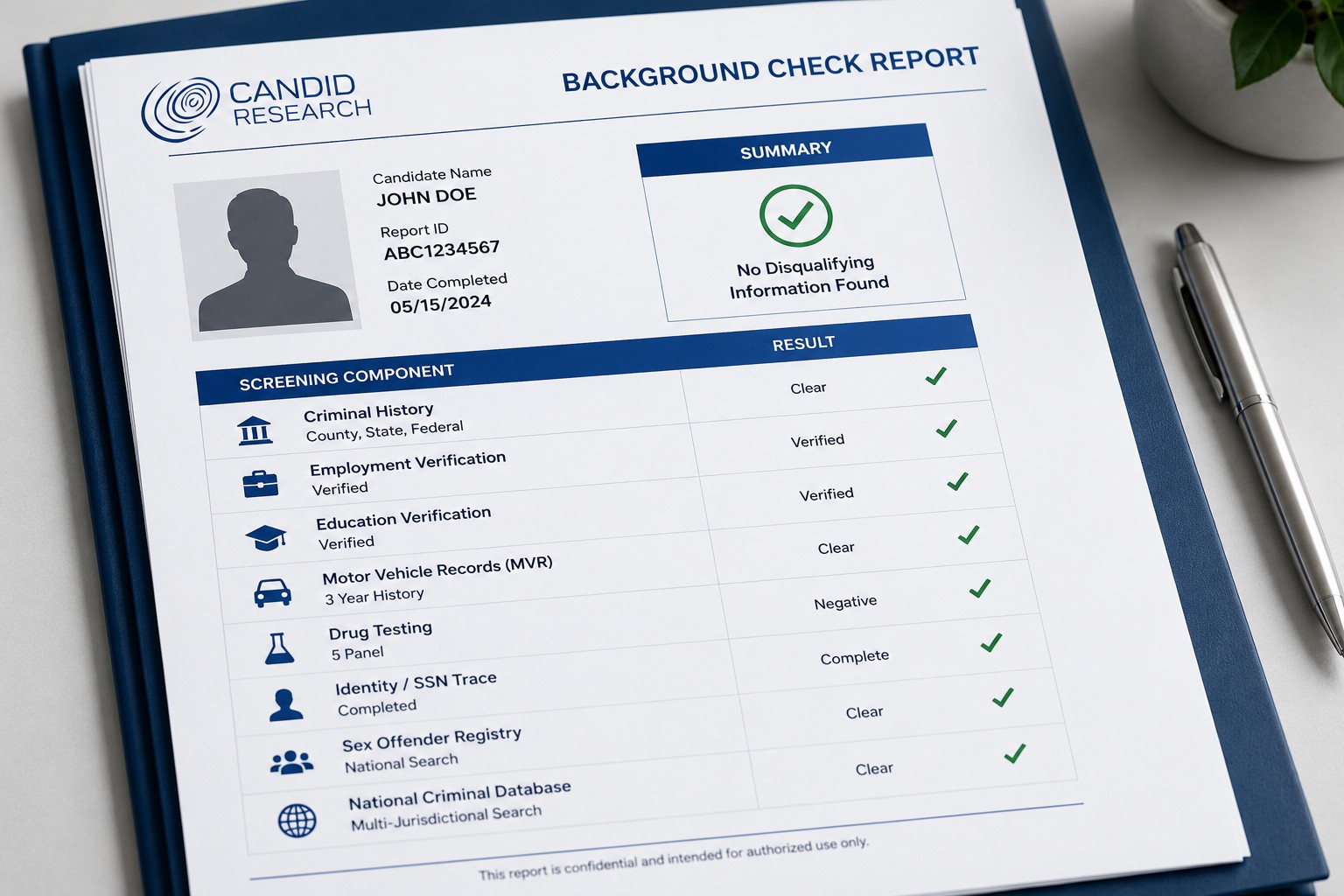
Many standard employment background checks focus on areas such as:
- Criminal records
- Employment verifications
- Education verifications
- Identity and address history
- Motor vehicle records
- Professional licenses
A credit report is typically a separate screening component that must be specifically requested by the employer.
When Might an Employer Request a Credit Report?
Employers may request a credit report when hiring for positions involving financial responsibility, access to company funds, sensitive financial data, or fiduciary duties.
Examples may include roles in:
- Accounting
- Finance
- Banking
- Payroll
- Executive leadership
- Positions involving access to company funds
- Government or security sensitive roles
The purpose is generally not to evaluate a person’s wealth or income. Instead, employers may review credit related information as part of an overall risk assessment for positions involving financial trust.
What Does an Employment Credit Report Show?
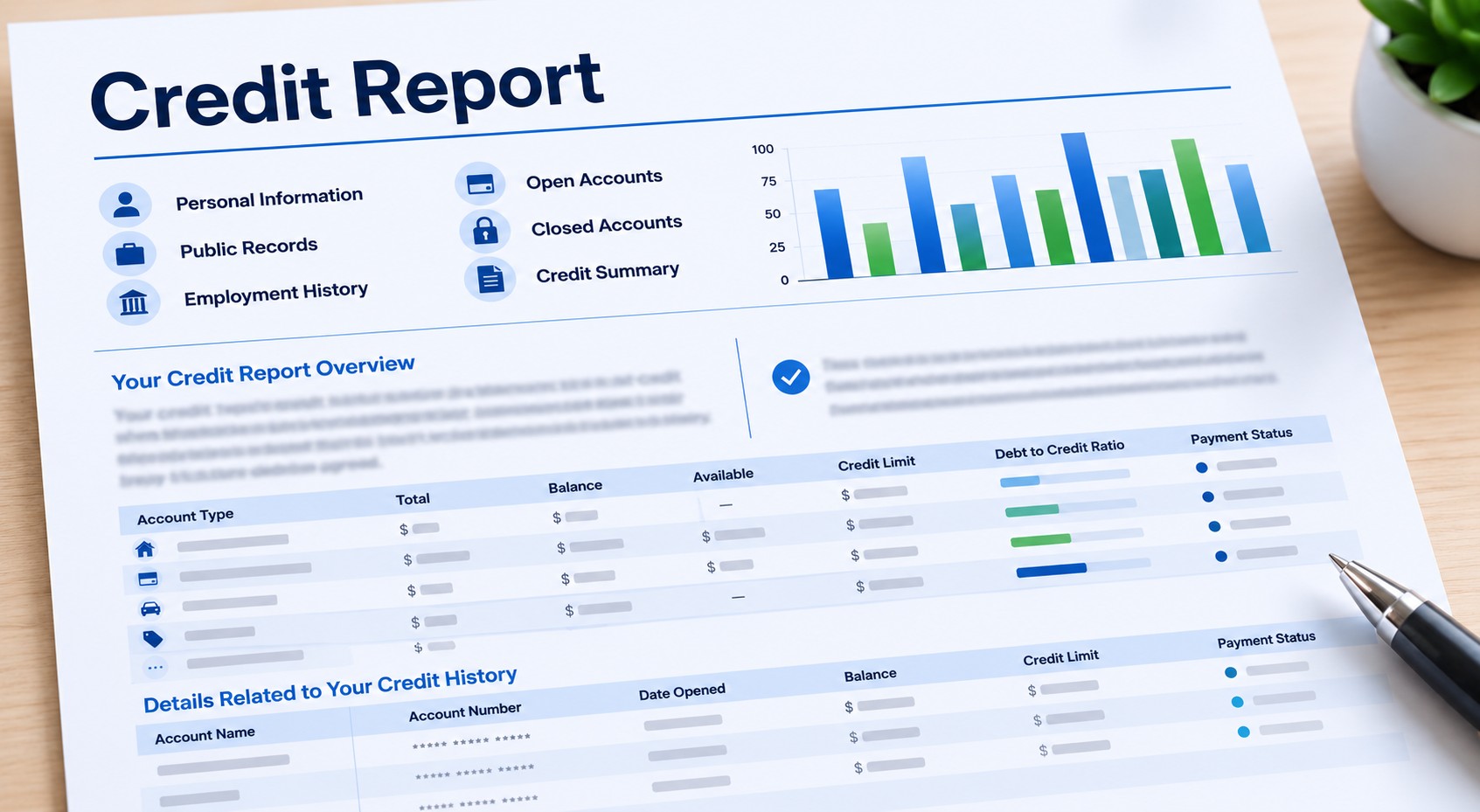
An employment credit report is different from the version a consumer may see when applying for a loan, credit card, or mortgage.
Employment credit reports may include information such as:
- Outstanding debts
- Payment history
- Collection accounts
- Bankruptcies
- Foreclosures
- Account status information
The information provided is usually more limited than a lending related credit report.
Can Employers See Your Credit Score?
Generally, no. Employment credit reports typically do not include a credit score.
Employers are usually reviewing broader financial patterns or reportable credit history information rather than a numerical score.
Do Employers Need Permission to Run a Credit Check?
Yes. Employers must obtain written authorization before requesting a credit report for employment purposes.
Under the Fair Credit Reporting Act, employers must provide a standalone written disclosure and obtain written authorization before ordering a consumer report, including an employment credit report. The disclosure must be a separate document and cannot be buried within a job application or other materials.
If an employer is considering taking adverse action based on information in the report, the employer must also follow the required adverse action process.
Do All States Allow Employment Credit Checks?
No. At least 11 states restrict or limit when employers may use credit reports for employment purposes, including California, Illinois, Colorado, and Oregon, among others. Major cities such as Chicago, Philadelphia, and Washington D.C. have enacted similar local restrictions. New York State went further than most, prohibiting employers from requesting or using consumer credit history for employment decisions as of April 18, 2026, with only narrow exemptions. Notably, the law also restricts background screening agencies from providing credit history information to employers unless an exemption applies.
Because these rules vary by jurisdiction, employers should review applicable federal, state, and local requirements before ordering employment credit reports.
Will Bad Credit Prevent Someone From Getting Hired?
Not necessarily. A credit report alone does not automatically disqualify an applicant from employment.
Employers typically evaluate background screening information in relation to the position, the nature of the information, the job duties involved, and applicable laws.
If an employer is considering a hiring decision based in whole or in part on information from a background report, the employer must follow applicable adverse action procedures before making a final decision.
Important Distinction
A standard employment background check and an employment credit report are not the same thing.
Many background checks do not include any credit related information unless the employer specifically requests it and obtains the proper authorization.
Final Thoughts
Credit reports can be part of an employment background screening process, but they are typically used only for certain positions and under specific legal requirements.
For employers, it is important to ensure that credit checks are job related, legally compliant, and applied consistently.
For applicants, understanding what employment credit reports do and do not contain can help reduce confusion during the hiring process.
Related Articles
- What Shows Up on a Background Check?
- Understanding the FCRA
- What is Pre-Adverse Action?
- What Disqualifies Someone on a Background Check?
- Employment Verifications Explained
- Education Verifications Explained
Employers should consult qualified legal counsel regarding their specific compliance obligations under
the FCRA and applicable state or local laws.